
About Oldcastle Infrastructure
Oldcastle Infrastructure, A CRH Company, is a leading provider of infrastructure solutions for the communications, energy, and water markets. Utilizing scale, product breadth, and more than 50 years of engineering expertise, the Oldcastle Infrastructure team, partners with municipalities, utilities, contractors, asset owners and engineers to build and maintain the critical infrastructure that powers and connects our communities.
Industry: Building Materials
Location: Ackworth, Georgia
At a Glance: Oldcastle Infrastructure
- 70–80% reduction in layout time per project
- 50%+ faster trench layout production overall
- More projects delivered without adding headcount
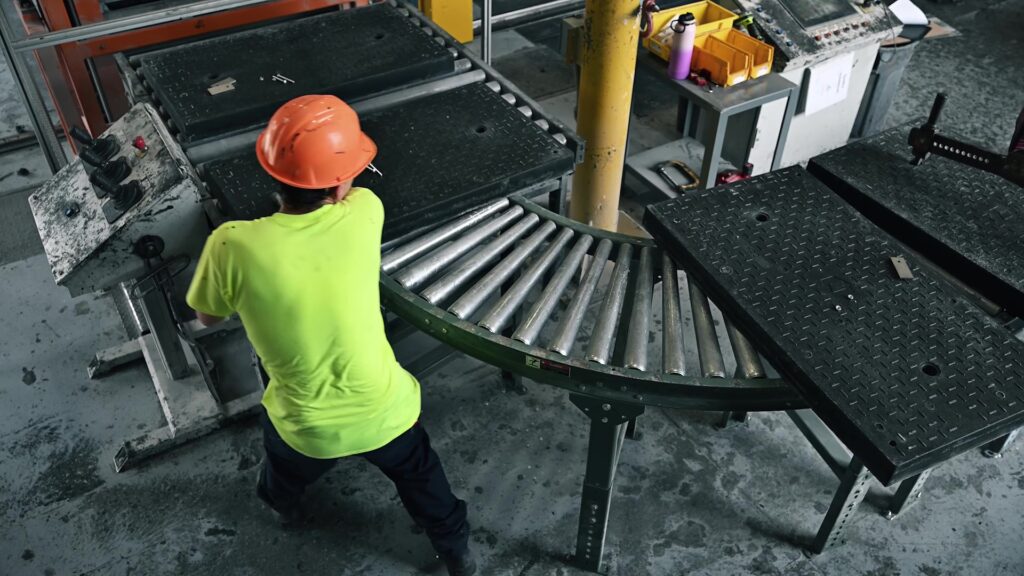
The challenges
Increased customer demand
Demand is booming at Oldcastle Infrastructure, driven by surging investment in data centers, energy infrastructure, and substation development. The engineering team wanted to ensure that the trench layout process does not become a bottleneck to future growth.
Customers often needed drawings in 3–4 days. The manual process routinely pushed delivery closer to two weeks.
When engineering couldn’t meet bid timelines, opportunities were delayed or lost. Speed, not demand, became the constraint.
The scale of the throughput
Each trench layout required a full 3D model and drawing package, and depending on complexity, engineers spent 2 to 80 hours per project.
At any given time, the team managed 40+ active cases, adding up to 1,000–2,000 projects per year. The work relied heavily on manual placement, revisions, and individual expertise, increasing risk and limiting how much demand the team could absorb.

“I was shocked when I realized what the team was going through… Something that seems really programmable and could be automated just wasn’t.”
Automation as the solution
Oldcastle Infrastructure redesigned its trench layout process around a single, automated workflow.
Multi-threading projects
One of the most transformative changes is the ability for engineers to run multiple layout generations at once. Instead of being locked to a single project for hours or days, they can start a layout, let the automation work in the background, and move directly to the next task. Keenan explains, “I can set up the automation on one project, start working on the next… and work on two or three at the same time.” This fundamentally changed their throughput and allowed the team to absorb more work without adding headcount.
Easier designing and faster training
The automated workflow captures design rules directly in the system, removing reliance on spreadsheets or individual expertise. As Keenan points out, “We can just eliminate this whole part of our process because it’s not even necessary anymore with the new automation tool.” Layouts, drawings, and bills of materials are generated together in a single pass.
With the rules embedded, new engineers ramp in days instead of weeks, using a consistent, repeatable workflow.
“We use automation to further extend our scale… it directly supports the growth we have with our customers.”
The outcomes
Up to 80% time savings on layouts
Faster quoting = fewer missed bids
Added capacity without more headcount
Consistent customer experience
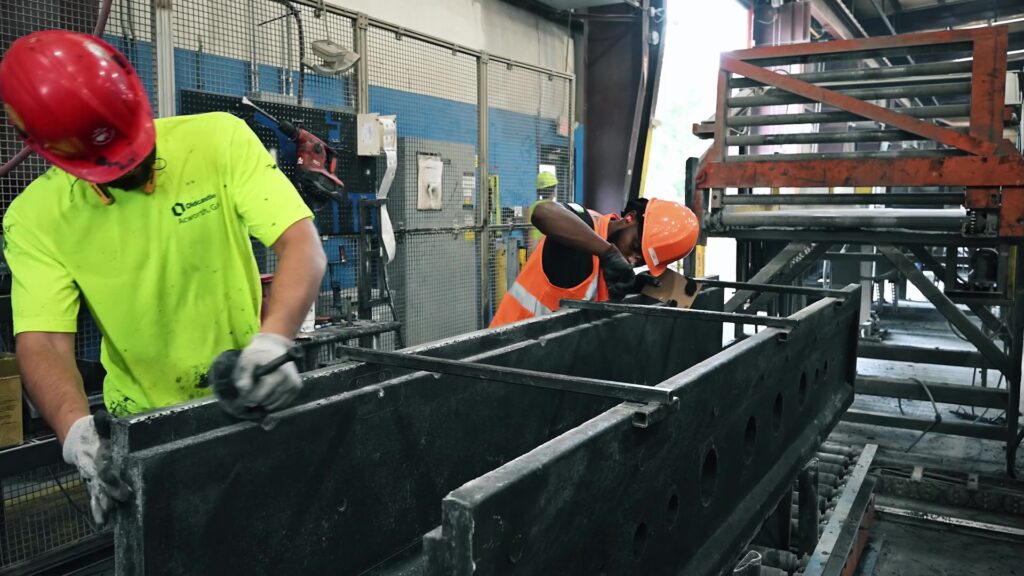
Looking ahead
Automation changed how Oldcastle Infrastructure approaches their engineering, data management, and digitalized way of thinking. Now the team is looking beyond trench layouts to broader digital transformation initiatives.
- Expanding automation to other product lines and engineering teams
- Implementing Autodesk Vault with KETIV to strengthen data foundations
- Preparing for AI-driven design workflows, supported by clean, structured data
- Continuing to evaluate where automation can replace legacy processes and unlock new capacity
“When we’re looking at AI, the data coming out is only as good as the data going in. Working with KETIV to better house the data gets it in a place where, when we’re ready to leverage it, our outputs will be strong and accurate.”
Start automating your most time-consuming processes.
More KETIV Customer Stories
Oldcastle Infrastructure Cut Layout Time By 80%
Oldcastle Infrastructure brought automation into their layout process to clear their backlog and boost customer satisfaction while saving 80% of engineering time.
See the full story

Karman Industries: Electrifying Industrial Heat with Simulation & Automation
Karman Industries turns simulation and automation into breakthroughs in thermal management with smaller, faster, cleaner systems.
See the full story